


-
-
3900 Series
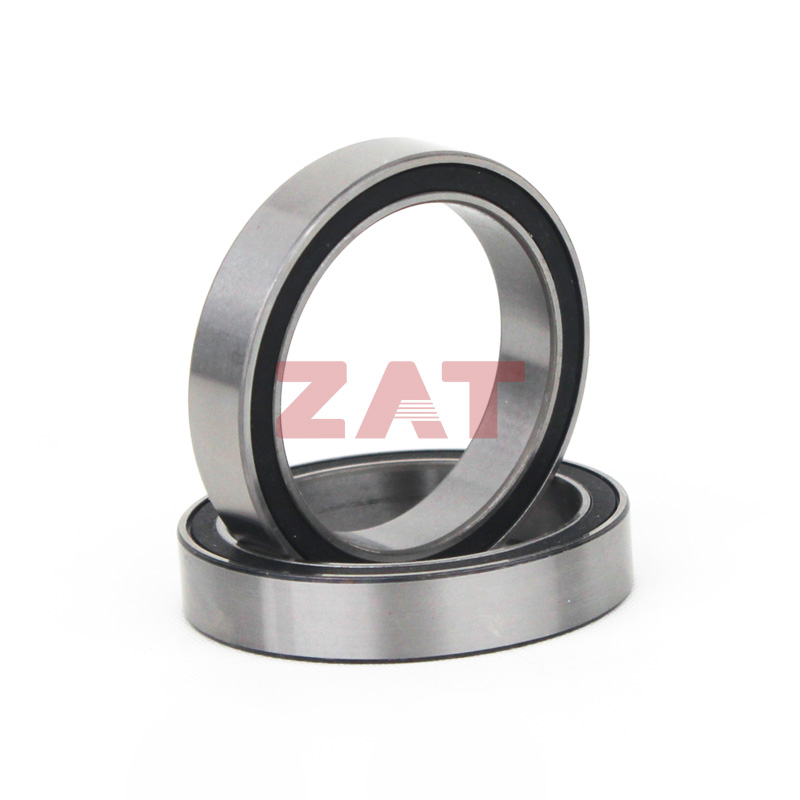
Double-row angular contact ball bearings can withstand radial loads and axial loads acting in both directions. They are widely used in rotating mechanisms requiring high rigidity and axial positioning, such as machine tool spindles, hydraulic motors in construction machinery, motor rotors, and heavy-duty truck gearboxes.
High rigidity
High load capacity
High operating speed
Withstands bidirectional axial loads
Impact resistance
-
0.000.00
-
Double-row angular contact ball bearings can withstand radial loads and axial loads acting in both directions. They are widely used in rotating mechanisms requiring high rigidity and axial positioning, such as machine tool spindles, hydraulic motors in construction machinery, motor rotors, and heavy-duty truck gearboxes.
High rigidity
High load capacity
High operating speed
Withstands bidirectional axial loads
Impact resistance
Product Description
The design of double-row angular contact ball bearings is fundamentally identical to single-row counterparts, yet occupies a more compact axial space. Capable of withstanding radial loads and axial forces in both directions, it constrains bidirectional axial displacement of shafts or housings with a 30-degree contact angle. This configuration delivers enhanced rigidity and resists overturning moments.
Product Features.
- High rigidity, supporting preloaded assemblies to ensure high rotational precision of spindles or drive shafts.
- Contains a greater number of balls, resulting in high load capacity; increased contact angle enhances axial load capacity.
- Reduced contact area between rolling elements and raceways minimises heat generation, suitable for high operating speeds.
- Capable of withstanding bidirectional axial loads plus radial loads, simplifying shaft system structure and saving installation space.
- Flexible installation and convenient maintenance: the integrated bearing can be press-fitted directly onto the shaft and secured by locking the inner ring with a nut.
Mailbox: zatbearing@zhoute.com
Address:Yan Dian Town, Linqing City, Liaocheng City, Shandong Province